For laboratory research only. Not for human or animal use. This article gives no dosing, administration or therapeutic advice.
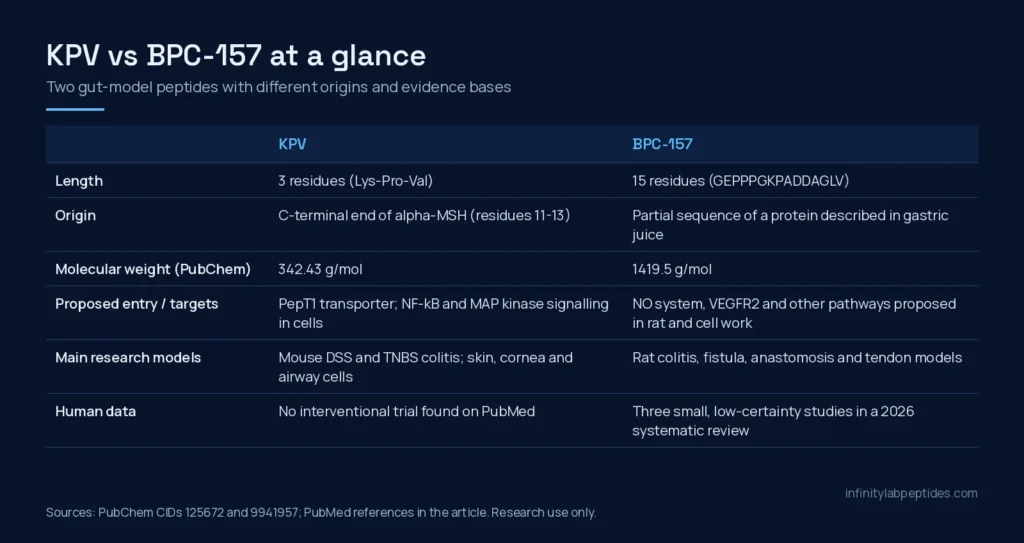
Short answer: thymosin alpha-1 and KPV both turn up in immune and inflammation research, but they sit at opposite ends of the evidence scale. Thymosin alpha-1 is a 28-residue peptide first isolated from calf thymus in 1977 [1]; as the drug thymalfasin it has been tested in randomised human trials, and the largest recent one, in sepsis, found no difference in 28-day mortality versus placebo [2]. KPV is the three-residue tail (Lys-Pro-Val) of alpha-melanocyte-stimulating hormone; its evidence comes from cell and rodent colitis models, and we found no human trial of it on PubMed [14][15]. One is mainly studied as an immune-signalling modulator, the other as a local anti-inflammatory tripeptide.
Spec cards from our COA library
Thymosin Alpha-1
Purity: not shown
Batch: not shown
Analysis date: not shown
Lab: not shown
Listing: Thymosin Alpha-1 10 mg
No certificate is posted for this product on our COA page at the time of writing.
KPV
Purity: not shown
Batch: not shown
Analysis date: not shown
Lab: not shown
Listing: KPV 10 mg
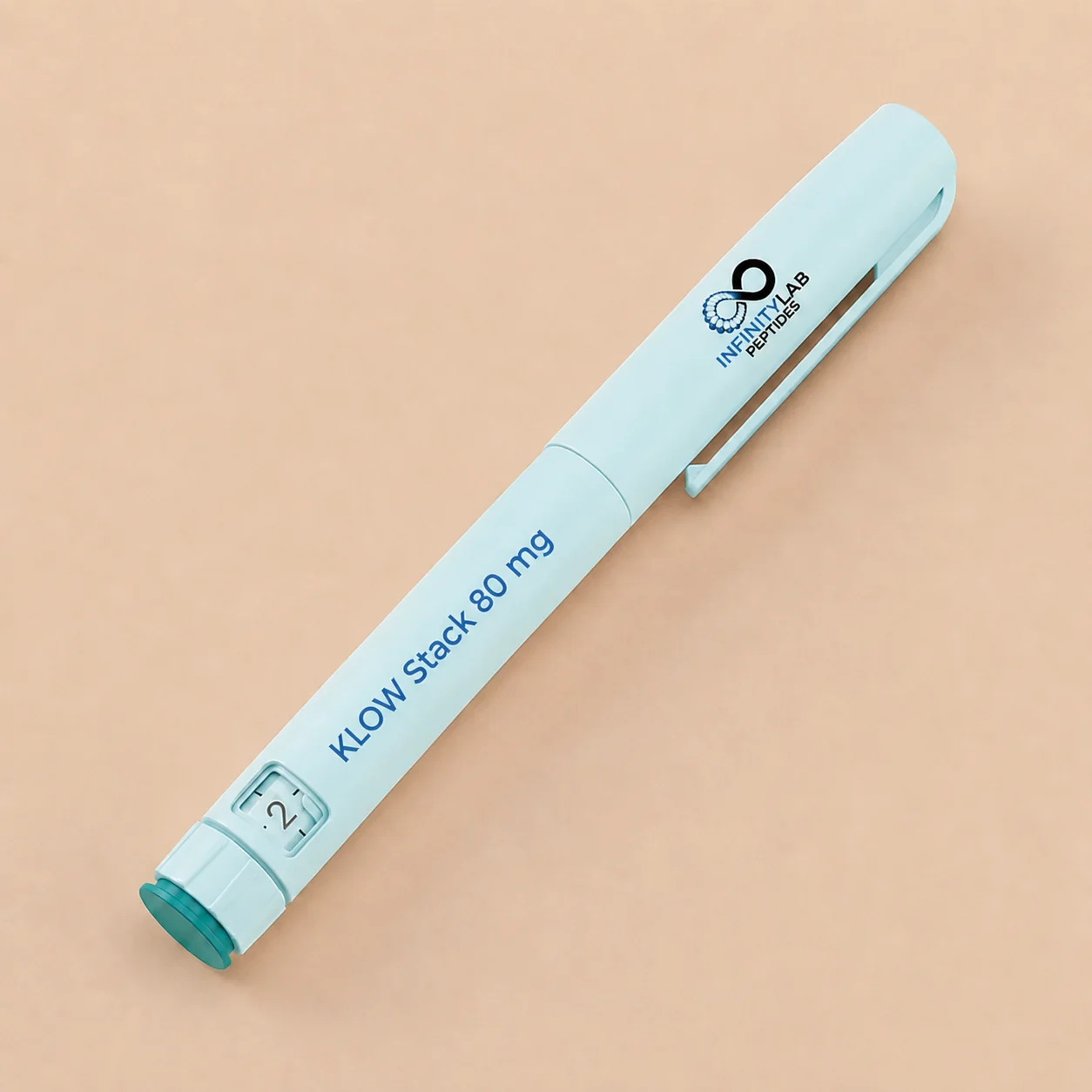
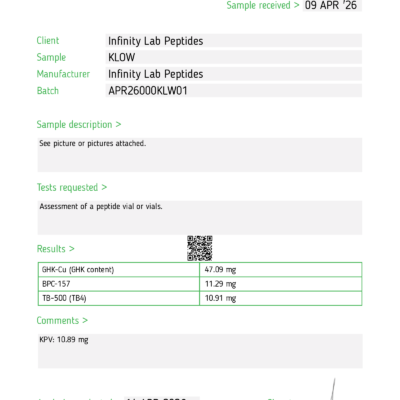
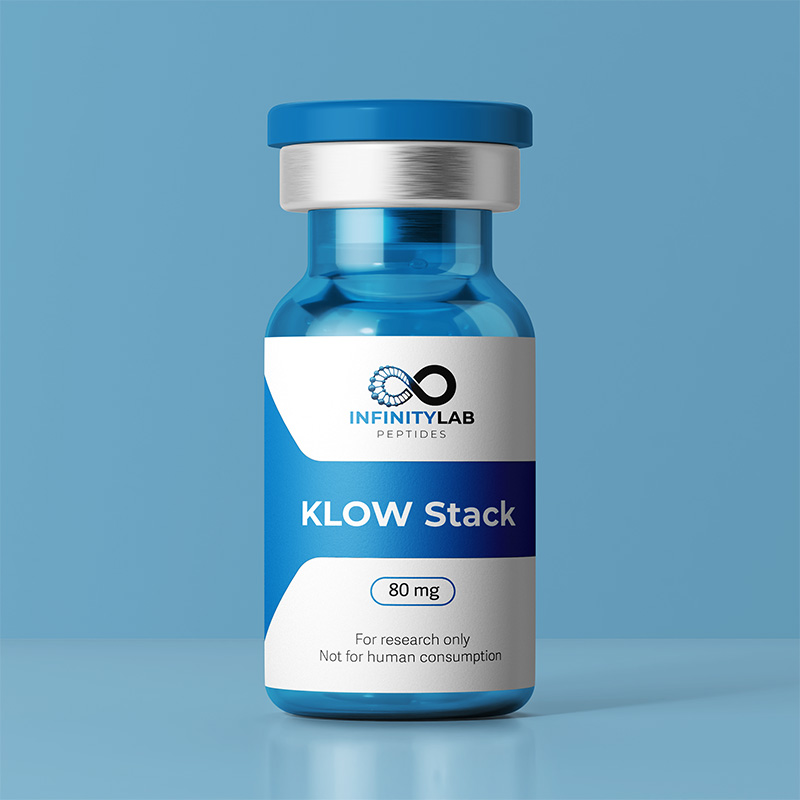
No certificate is posted for this product on our COA page at the time of writing. KPV is also one of the four peptides in our KLOW Stack blend, whose library card shows batch APR26000KLW01 (analysed 14 APR 2026) with no purity figure; that report covers the blend, not the single KPV vial.
We would rather leave these cards blank than borrow a number from another product. If certificates are added for either listing, this section will be updated.
Identity: a 28-mer and a 3-mer
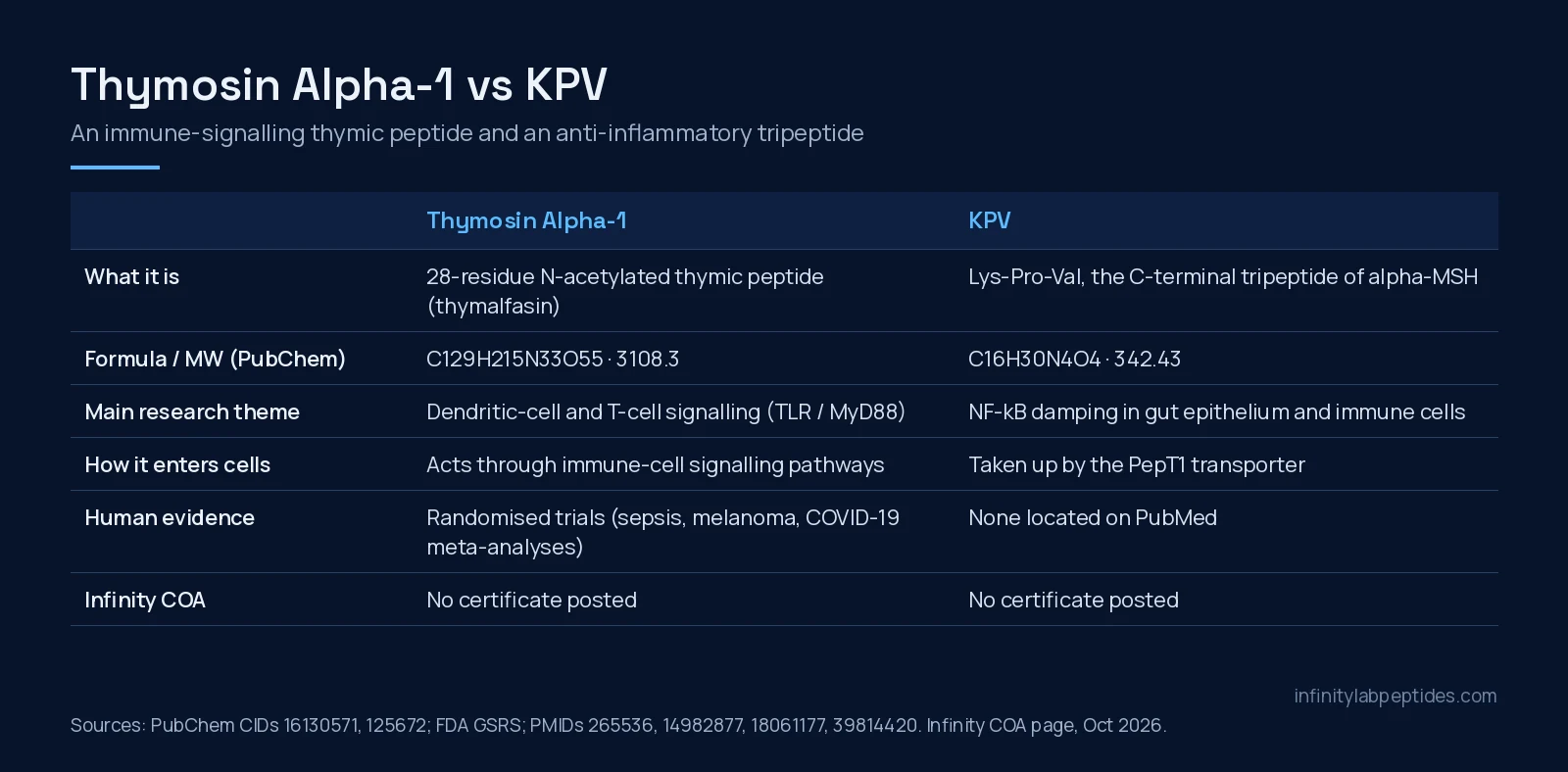
| Field | Thymosin alpha-1 | KPV |
|---|---|---|
| Other names | Thymalfasin, thymosin alpha1 (human), Zadaxin (PubChem synonyms) | Lys-Pro-Val, alpha-MSH (11-13), ACTH (11-13) |
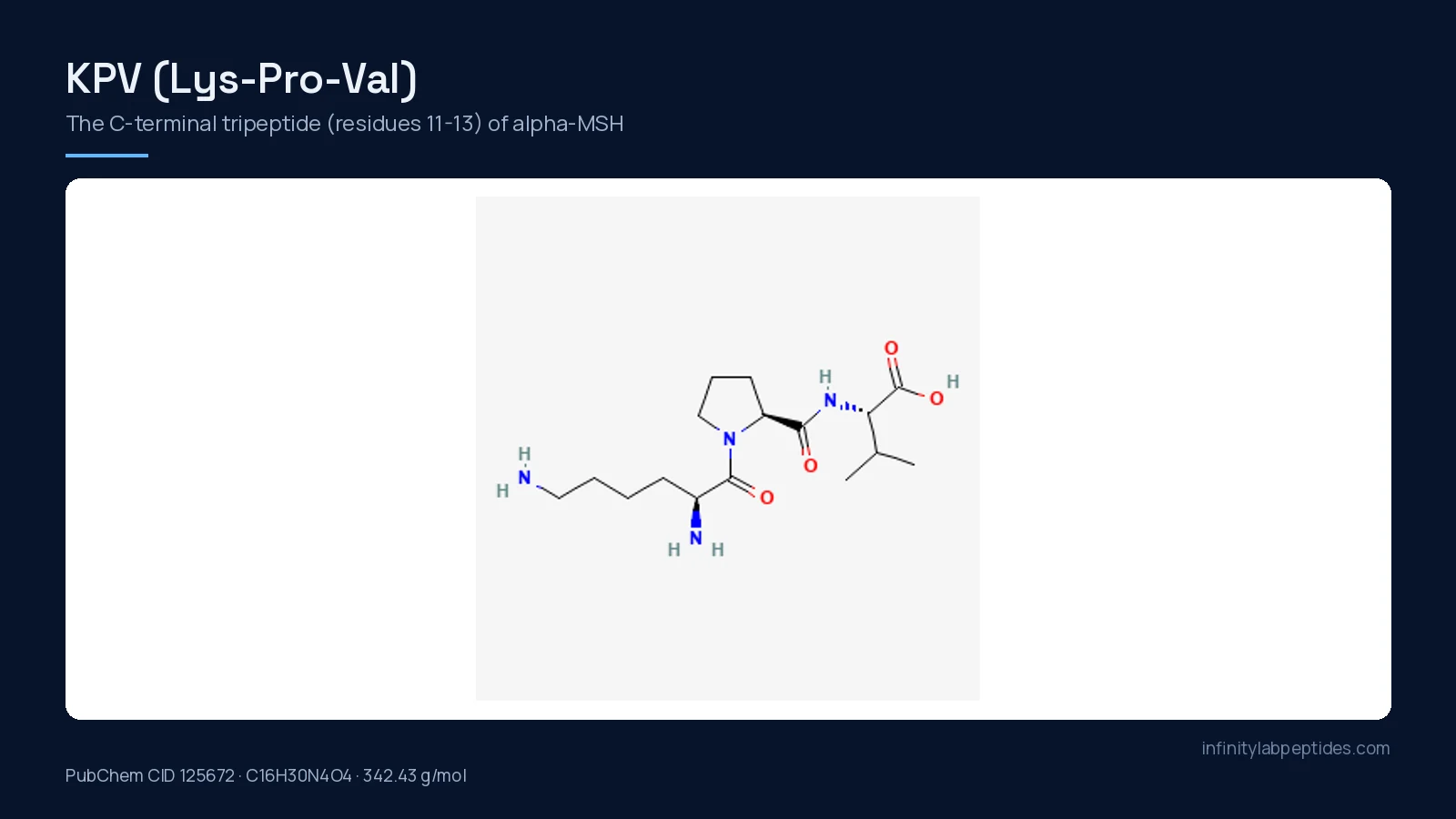
| Sequence (FDA GSRS / PubChem) | Ac-SDAAVDTSSEITTKDLKEKKEVVEEAEN (28 residues, N-terminal acetyl-serine) | KPV (L-lysyl-L-prolyl-L-valine) |
| Molecular formula | C129H215N33O55 | C16H30N4O4 |
| Molecular weight | 3108.3 g/mol | 342.43 g/mol |
| CAS (PubChem synonym) | 62304-98-7 | 67727-97-3 |
| PubChem CID | 16130571 | 125672 |
| FDA UNII | W0B22ISQ1C | not listed in the sources used here |
| Natural source | Cleaved from prothymosin alpha in many mammalian tissues | C-terminal fragment of alpha-MSH, itself derived from proopiomelanocortin |
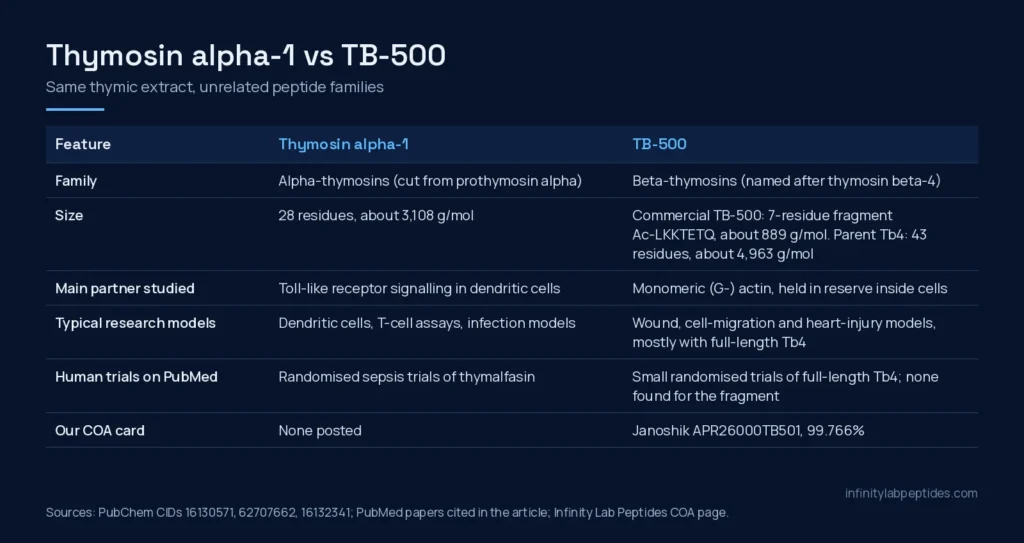
Two notes on the table. Thymosin alpha-1 is made in the body by cleavage of a larger precursor, prothymosin alpha [3], while KPV is the last three residues of alpha-MSH, a proopiomelanocortin product [4]. And the name “thymosin” causes confusion: thymosin alpha-1 is a different molecule from thymosin beta-4, the parent of TB-500. Both names trace back to the naming scheme the 1977 paper proposed for the many polypeptides in calf “thymosin fraction 5” [1].
Thymosin alpha-1: what the research covers
The 1977 isolation paper described thymosin alpha-1 as a heat-stable, highly acidic polypeptide of 28 residues, one of several in thymosin fraction 5 that may take part in the differentiation and function of T cells [1]. Most mechanistic work since then has focused on dendritic cells. In a 2004 study, thymosin alpha-1 induced maturation and interleukin-12 production in fungus-pulsed dendritic cells through a MyD88-dependent, Toll-like-receptor pathway, and in mice given haematopoietic transplants the synthetic peptide activated Th1 antifungal immunity and protected against aspergillosis [5]. A 2007 review from the same group summarised further mouse work: activation of plasmacytoid dendritic cells through TLR9 with protection against murine cytomegalovirus, and induction of the tolerance enzyme indoleamine 2,3-dioxygenase [3]. A later in-vitro study in human monocyte-derived dendritic cells reported a dual effect: with viral TLR3 and TLR7/8 agonists the peptide raised maturation markers and pro-inflammatory cytokines, while with bacterial TLR2 and TLR4 stimulation it lowered them [6].
Thymosin alpha-1 is unusual among research peptides in having a clinical history. A 2009 review reported it as approved in more than 35 countries for hepatitis B and C and as an immune stimulant and adjuvant, and in late-stage testing in the United States and Europe at that time [7]. Approval status differs by country and changes over time, so check the regulator in the jurisdiction you care about; nothing here is a statement about the product we sell, which is a research material.
Human trials: design and what they found
The table lists the main randomised studies and syntheses we read, with design and primary endpoint. We report direction and statistical significance only, not effect sizes.
| Study | Design | Population | Primary endpoint | Reported finding |
|---|---|---|---|---|
| ETASS, 2013 [8] | Multicentre, single-blind RCT, 6 hospitals in China | 361 ICU patients with severe sepsis | 28-day all-cause mortality | Lower in the treated group with a marginal P value (not significant in the non-stratified test) |
| TESTS, 2025 [2] | Phase 3, double-blind, placebo-controlled RCT, 22 centres in China | 1,106 adults with sepsis (Sepsis-3) | 28-day all-cause mortality | No significant difference; no secondary or safety outcome differed significantly |
| Sepsis meta-analysis, 2025 [9] | Systematic review of 11 RCTs with trial sequential analysis | 1,927 patients in total | 28-day mortality | Pooled benefit overall, but none in high-quality or multicentre subgroups |
| Metastatic melanoma, 2010 [10] | Randomised, five arms, added to dacarbazine with or without interferon alfa | 488 patients | Best overall response at 12 months | More responses in two arms; overall and progression-free survival differences not significant |
| COVID-19 meta-analysis, 2023 [11] | Systematic review of 9 studies | 5,352 patient outcomes | Mortality | No significant effect overall |
| COVID-19 meta-analysis, 2023 [12] | Systematic review of 8 studies | Moderate to critical COVID-19 | Mortality, ventilation, length of stay | Lower mortality, no difference in ventilation or stay; high heterogeneity |
| Chronic hepatitis B meta-analysis, 2008 [13] | 4 RCTs comparing with interferon alpha | 199 patients | Virological, biochemical and complete response | Results differed between end of treatment and follow-up |
Read together, these trials show a peptide that has been tested seriously in people and has produced a mixed record: the largest and most rigorous sepsis trial was null, and the two COVID-19 meta-analyses reached opposite conclusions from overlapping literature [11][12].
KPV: a tripeptide with a transporter
KPV became interesting because alpha-MSH has broad anti-inflammatory effects but also pigmentary effects; its C-terminal tripeptide was proposed as an alternative that keeps anti-inflammatory activity without the pigmentary action [4]. Two 2008 papers built the core of the evidence. In human intestinal epithelial cell lines and Jurkat T cells, nanomolar KPV inhibited NF-kB and MAP kinase inflammatory signalling and reduced pro-inflammatory cytokine secretion, and the effect depended on uptake through PepT1, a di- and tripeptide transporter that is induced in the colon during inflammation; KPV given in drinking water reduced inflammation in DSS and TNBS colitis in mice [14]. In a second group’s work, KPV led to earlier recovery and less inflammatory infiltrate in DSS colitis and in T-cell transfer colitis, and it also protected mice carrying a non-functional melanocortin-1 receptor, which suggests its effects are at least partly independent of MC1R signalling [15].
Later work kept to the gut and to delivery. KPV loaded into hyaluronic-acid-functionalised nanoparticles was taken up by colonic epithelial cells and macrophages and reduced colitis in mice [16]; a mucosa-adhesive hydrogel improved the effect of KPV given into the colon of rats with TNBS colitis [17]. Outside the gut, a 2000 study found that alpha-MSH and KPV inhibited Staphylococcus aureus colony formation and Candida albicans viability in vitro [18].
Side-by-side comparison
| Question | Thymosin alpha-1 | KPV |
|---|---|---|
| Size | 28 residues, about 3.1 kDa | 3 residues, about 0.34 kDa |
| Best-described mechanism | TLR / MyD88 signalling in dendritic cells; Th1 and tolerance pathways [5][3] | PepT1 uptake, then reduced NF-kB and MAP kinase signalling [14] |
| Receptor question | No single receptor; acts through innate immune signalling [5] | Effects at least partly independent of MC1R [15] |
| Main models | Mouse infection and transplant models; human dendritic cells [5][6] | Mouse and rat colitis; human gut and T-cell lines [14][15][17] |
| Human randomised data | Yes: sepsis, melanoma, COVID-19, hepatitis B [2][10][11][13] | None found |
| Largest null result | TESTS sepsis trial, no mortality difference [2] | No effect in PepT1-knockout mice [19] |
| Our COA status | No certificate posted | No single-vial certificate posted |
Null and negative results
- Sepsis mortality. The 1,106-patient TESTS trial found no significant difference in 28-day mortality and no significant difference in any secondary or safety outcome; prespecified subgroup analyses only hinted at possible differences by age and diabetes status [2]. The earlier, smaller ETASS trial had only a marginal result [8], and in the 2025 meta-analysis the benefit disappeared when only high-quality or multicentre trials were pooled [9].
- Melanoma survival. Adding thymosin alpha-1 to dacarbazine-based treatment increased the number of tumour responses in two arms, but the differences in overall and progression-free survival did not reach significance [10].
- COVID-19. One meta-analysis found no significant effect on mortality and concluded the data did not support use in hospitalised adults [11]; another reported lower mortality but no difference in ventilation or length of stay, with very high heterogeneity [12].
- KPV needs its transporter. In a colitis-associated cancer model, KPV prevented tumour formation in wild-type mice but had none of that effect in PepT1-knockout mice [19]. PepT1 is expressed at low levels in the healthy colon and is upregulated during inflammation, so the uptake route these studies depend on varies with the state of the tissue [14][19].
What the evidence does not show
- No study compares them. We found no paper testing thymosin alpha-1 against KPV, or the two together, in any model. Blends sold online that combine them have no published data as blends.
- No human data for KPV. Every KPV result above comes from cell lines, mice or rats [14][15][16][17].
- Clinical use is not proof of effect. Approval of thymalfasin in a number of countries [7] sits beside a null phase 3 sepsis trial [2]. Approval in one indication says nothing about others.
- Mouse immunology does not map directly onto people. The antifungal, antiviral and tolerance findings for thymosin alpha-1 come from mouse models [5][3], and the human dendritic-cell work shows effects that change direction depending on the stimulus [6].
- Delivery papers test formulations, not the bare peptide. The nanoparticle and hydrogel KPV studies measured the effect of a delivery system [16][17]; their results cannot be read as results for KPV powder in a vial.
Documentation for these two listings
Thymosin alpha-1 and KPV need different identity checks. For a 28-residue acetylated peptide, a useful report shows chromatographic purity plus a mass near 3108 g/mol; a missing acetyl group or a truncated chain would shift that mass. For a tripeptide of 342 g/mol, mass confirmation is simple, but counter-ions such as acetate make up a larger share of the powder weight, so net peptide content matters more. At the time of writing, our COA page has no report for either Thymosin Alpha-1 10 mg or KPV 10 mg. For listings that do carry reports, our research peptides overview explains how batches are documented, and you can buy research peptides in Canada with each product’s documentation status shown on its page.
Frequently asked questions
Is thymosin alpha-1 the same as TB-500?
No. Thymosin alpha-1 is a 28-residue peptide (thymalfasin, PubChem CID 16130571). TB-500 is associated with thymosin beta-4, a different molecule. The shared word comes from the naming scheme for polypeptides found in calf thymosin fraction 5.
How do thymosin alpha-1 and KPV differ in mechanism?
Published work links thymosin alpha-1 to Toll-like receptor and MyD88 signalling in dendritic cells. KPV is taken into gut epithelial and immune cells by the PepT1 transporter and then dampens NF-kB and MAP kinase signalling, in cell and rodent studies.
Has KPV been tested in humans?
We found no human trial of KPV on PubMed. Its evidence comes from human cell lines and from mouse and rat colitis models, several of them using nanoparticle or hydrogel delivery systems.
Did thymosin alpha-1 work in the large sepsis trial?
The TESTS phase 3 trial of 1,106 adults with sepsis found no significant difference in 28-day all-cause mortality between thymosin alpha-1 and placebo, and no secondary or safety outcome differed significantly.
Does Infinity Lab Peptides post a COA for Thymosin Alpha-1 or KPV?
Not at the time of writing. Our COA page has no certificate for Thymosin Alpha-1 10 mg or KPV 10 mg. The KLOW Stack blend that contains KPV has a library card, batch APR26000KLW01, but it shows no purity figure and covers the blend only.
Research-use notice
Thymosin Alpha-1 and KPV from Infinity Lab Peptides are sold for laboratory research and analytical use only. They are not for human or animal consumption. This page summarises published research as reported by its authors; it is not medical advice, a usage instruction or a treatment recommendation, and it makes no claim about any product’s effects.
References
- Goldstein AL, Low TL, McAdoo M et al. (1977). Thymosin alpha1: isolation and sequence analysis of an immunologically active thymic polypeptide. Proc Natl Acad Sci U S A. PMID: 265536. doi: 10.1073/pnas.74.2.725.
- Wu J, Pei F, Zhou L et al. (2025). The efficacy and safety of thymosin α1 for sepsis (TESTS): multicentre, double blinded, randomised, placebo controlled, phase 3 trial. BMJ. PMID: 39814420. doi: 10.1136/bmj-2024-082583.
- Romani L, Bistoni F, Montagnoli C et al. (2007). Thymosin alpha1: an endogenous regulator of inflammation, immunity, and tolerance. Ann N Y Acad Sci. PMID: 17495242. doi: 10.1196/annals.1415.002.
- Brzoska T, Luger TA, Maaser C et al. (2008). Alpha-melanocyte-stimulating hormone and related tripeptides: biochemistry, antiinflammatory and protective effects in vitro and in vivo, and future perspectives for the treatment of immune-mediated inflammatory diseases. Endocr Rev. PMID: 18612139. doi: 10.1210/er.2007-0027.
- Romani L, Bistoni F, Gaziano R et al. (2004). Thymosin alpha 1 activates dendritic cells for antifungal Th1 resistance through toll-like receptor signaling. Blood. PMID: 14982877. doi: 10.1182/blood-2003-11-4036.
- Giacomini E, Severa M, Cruciani M et al. (2015). Dual effect of Thymosin α 1 on human monocyte-derived dendritic cell in vitro stimulated with viral and bacterial toll-like receptor agonists. Expert Opin Biol Ther. PMID: 26096650. doi: 10.1517/14712598.2015.1019460.
- Goldstein AL, Goldstein AL (2009). From lab to bedside: emerging clinical applications of thymosin alpha 1. Expert Opin Biol Ther. PMID: 19392576. doi: 10.1517/14712590902911412.
- Wu J, Zhou L, Liu J et al. (2013). The efficacy of thymosin alpha 1 for severe sepsis (ETASS): a multicenter, single-blind, randomized and controlled trial. Crit Care. PMID: 23327199. doi: 10.1186/cc11932.
- Gu B, Zhou Y, Nie Y et al. (2025). Efficacy of thymosin α1 for sepsis: a systematic review and meta-analysis of randomized controlled trials. Front Cell Infect Microbiol. PMID: 40969554. doi: 10.3389/fcimb.2025.1673959.
- Maio M, Mackiewicz A, Testori A et al. (2010). Large randomized study of thymosin alpha 1, interferon alfa, or both in combination with dacarbazine in patients with metastatic melanoma. J Clin Oncol. PMID: 20194853. doi: 10.1200/JCO.2009.25.5208.
- Shang W, Zhang B, Ren Y et al. (2023). Thymosin alpha1 use in adult COVID-19 patients: A systematic review and meta-analysis on clinical outcomes. Int Immunopharmacol. PMID: 36527881. doi: 10.1016/j.intimp.2022.109584.
- Soeroto AY, Suryadinata H, Yanto TA et al. (2023). The efficacy of thymosin alpha-1 therapy in moderate to critical COVID-19 patients: a systematic review, meta-analysis, and meta-regression. Inflammopharmacology. PMID: 37845598. doi: 10.1007/s10787-023-01354-2.
- Yang YF, Zhao W, Zhong YD et al. (2008). Comparison of the efficacy of thymosin alpha-1 and interferon alpha in the treatment of chronic hepatitis B: a meta-analysis. Antiviral Res. PMID: 18078676. doi: 10.1016/j.antiviral.2007.10.014.
- Dalmasso G, Charrier-Hisamuddin L, Nguyen HT et al. (2008). PepT1-mediated tripeptide KPV uptake reduces intestinal inflammation. Gastroenterology. PMID: 18061177. doi: 10.1053/j.gastro.2007.10.026.
- Kannengiesser K, Maaser C, Heidemann J et al. (2008). Melanocortin-derived tripeptide KPV has anti-inflammatory potential in murine models of inflammatory bowel disease. Inflamm Bowel Dis. PMID: 18092346. doi: 10.1002/ibd.20334.
- Xiao B, Xu Z, Viennois E et al. (2017). Orally Targeted Delivery of Tripeptide KPV via Hyaluronic Acid-Functionalized Nanoparticles Efficiently Alleviates Ulcerative Colitis. Mol Ther. PMID: 28143741. doi: 10.1016/j.ymthe.2016.11.020.
- Zhao Y, Xue P, Lin G et al. (2022). A KPV-binding double-network hydrogel restores gut mucosal barrier in an inflamed colon. Acta Biomater. PMID: 35245681. doi: 10.1016/j.actbio.2022.02.039.
- Cutuli M, Cristiani S, Lipton JM et al. (2000). Antimicrobial effects of alpha-MSH peptides. J Leukoc Biol. PMID: 10670585. doi: 10.1002/jlb.67.2.233.
- Viennois E, Ingersoll SA, Ayyadurai S et al. (2016). Critical role of PepT1 in promoting colitis-associated cancer and therapeutic benefits of the anti-inflammatory PepT1-mediated tripeptide KPV in a murine model. Cell Mol Gastroenterol Hepatol. PMID: 27458604. doi: 10.1016/j.jcmgh.2016.01.006.