BPC-157 Canada sourcing is one of the most researched topics in the Canadian peptide space — and one of the most misunderstood. This synthetic peptide, derived from a protective protein found in gastric juice, has become a focal point of research into tissue repair signaling, gut health, and inflammatory response pathways. This guide gives you the complete picture: mechanism, legal status, quality benchmarks, and what to look for in a Canadian supplier.
Looking for the product? Buy BPC-157 Canada: our BPC-157 10mg research vial, supplied for laboratory research use only.
1. What Is BPC-157?
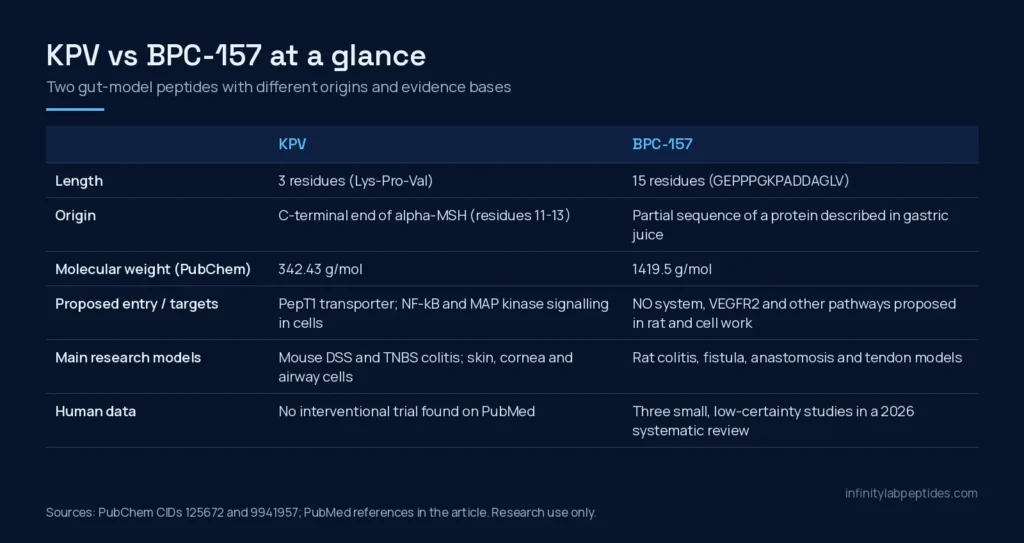
BPC-157 (Body Protection Compound-157) is a pentadecapeptide — a chain of 15 amino acids — derived from a partial sequence of human gastric juice protein. It is a fully synthetic peptide, not extracted from biological tissue, and is stable in a variety of research conditions.
Why Researchers Are Interested in BPC-157
- Preclinical studies (primarily in rodent models) have examined BPC-157’s influence on angiogenesis — the formation of new blood vessels — in damaged tissue contexts
- Research has investigated its interaction with the nitric oxide (NO) system and potential signaling effects on growth hormone receptors
- Gastrointestinal research has explored BPC-157’s apparent cytoprotective properties in gastric and intestinal lining tissue
- Tendon and ligament research models have used BPC-157 to examine extracellular matrix signaling under injury conditions
- No human clinical trials have been completed as of 2025 — all available data is from in-vitro and animal model research
2. BPC-157 Legal Status in Canada
BPC-157 is not an approved drug in Canada. It does not hold a Drug Identification Number (DIN) or Notice of Compliance (NOC) from Health Canada. This places it in the category of non-approved research compounds.
What This Means for Canadian Researchers
- BPC-157 may be legally sourced in Canada for legitimate in-vitro laboratory and research purposes
- It cannot be sold, advertised, or labeled for human therapeutic use, including injury recovery, gut health, or any medical application
- Researchers should source only from suppliers who apply correct “for research use only” labeling and make no health claims
- Health Canada has issued advisories on some peptide products — always check the recall and advisory database before sourcing from a new supplier
3. BPC-157 Variants: Understanding the Different Forms
When sourcing BPC-157 for research, you may encounter different formulations. Understanding the distinctions is essential for research reproducibility.
Key Variants and Their Research Applications
- BPC-157 Acetate: The most commonly used form in published preclinical research — highest compatibility with existing study protocols
- BPC-157 Arginate (BPC-157 Stable): A salt form claimed to be more stable in acidic environments; less published data exists on this variant versus the acetate form
- Lyophilized powder: Standard delivery form for research; longest shelf life and most stable for lab storage conditions
- When replicating or comparing to published studies, always confirm which variant the source research used and match accordingly
4. Purity Standards: What Qualifies as Research-Grade BPC-157 in Canada
The Canadian peptide market has significant variation in product quality. These are the minimum quality benchmarks that research-grade BPC-157 should meet.
How to Verify You’re Getting Legitimate Research-Grade Peptide
- HPLC purity ≥98%: High-performance liquid chromatography should confirm at least 98% peptide purity — anything below this introduces meaningful variance into research results
- Mass spectrometry (MS) verification: Confirms the molecular weight of BPC-157 (molecular formula: C₆₂H₉₈N₁₆O₂₂) — this is how you confirm you received BPC-157 and not a similar but distinct compound
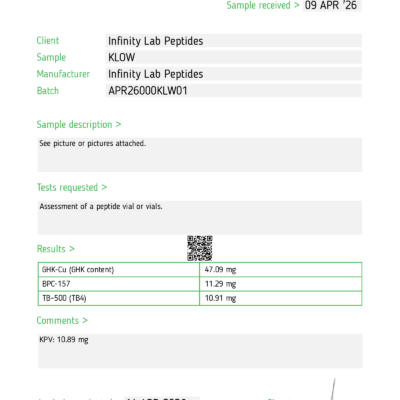
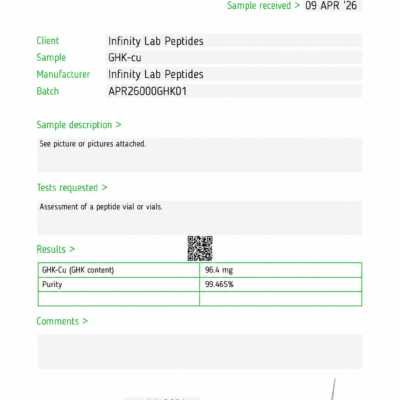
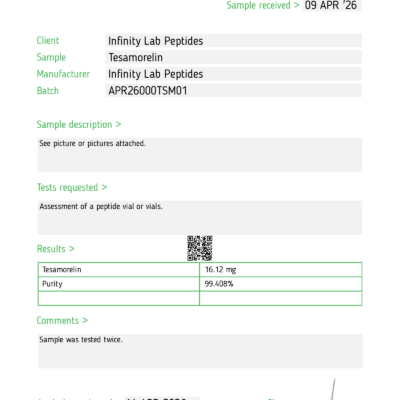
- Batch-specific COA: Documentation must be batch-specific, dated, and from an independent (non-affiliated) laboratory
- Endotoxin testing (LAL test): Critical for any in-vivo or cell-based research — endotoxin contamination can confound results and is a marker of manufacturing quality
- Amino acid analysis: Some high-rigor suppliers include AA analysis confirming correct sequence — a premium quality signal
5. BPC-157 Storage and Reconstitution for Research
Best Practices for Lab Handling
- Store lyophilized BPC-157 at -20°C, sealed and away from light and moisture — properly stored powder is stable for 24+ months
- Reconstitute with sterile water or bacteriostatic water, depending on the research timeline and protocol
- Once reconstituted, store at 2–8°C and use within 14–28 days depending on reconstitution volume and storage conditions
- Avoid repeated freeze-thaw cycles — pre-aliquot into single-use research volumes before initial freeze if multiple experiments are planned
- Use low-binding polypropylene vials — BPC-157 can adsorb to standard plastic and glass surfaces, reducing effective concentration
6. Why Canadian Researchers Prefer Domestic BPC-157 Suppliers
Advantages of Sourcing BPC-157 Within Canada
- No import complications: Cross-border shipments of research peptides can face customs delays, temperature exposure during transit holds, and paperwork complications
- Accountability under Canadian law: Domestic suppliers are subject to Canadian consumer protection and business regulations — they are identifiable and accountable
- Faster delivery with cold-chain integrity: Shorter transit times reduce exposure risk for temperature-sensitive formulations
- Health Canada compliance alignment: Canadian suppliers are more likely to understand and comply with Health Canada’s specific labeling and marketing requirements
7. Common Research Errors When Working With BPC-157 in Canada
How to Avoid Them
- Not confirming peptide variant in the COA: BPC-157 acetate and arginate have different properties — confirm which variant you ordered matches what was shipped
- Skipping endotoxin testing review: A COA that only shows HPLC purity is incomplete for rigorous in-vivo research applications
- Ordering based on price without reviewing supplier recall history: Multiple Canadian and international peptide suppliers have had products recalled or flagged — a few minutes of research protects the integrity of your work
- Improper reconstitution technique: Adding water directly to the lyophilized cake with pressure creates peptide degradation — roll gently, never shake
Source Verified BPC-157 in Canada for Your Research
Infinity Lab Peptides provides research-grade BPC-157 to Canadian researchers with full batch-specific COA documentation, HPLC and MS verification, and compliant “for research use only” labeling. We ship domestically with cold-chain integrity and respond to documentation requests from researchers within one business day.
View BPC-157 product details and current COA →
Questions about peptide variants, purity specifications, or bulk research orders? Contact us here.
Frequently Asked Questions About BPC-157 in Canada
Is BPC-157 legal to buy in Canada? Yes, for legitimate research purposes. BPC-157 is not an approved drug in Canada and cannot be sold for human use, but researchers may legally source it for in-vitro and laboratory research from compliant Canadian suppliers.
What’s the difference between BPC-157 acetate and BPC-157 arginate? BPC-157 acetate is the form used in the majority of published preclinical research. BPC-157 arginate (sometimes called “stable BPC-157”) is a salt form with different pH stability characteristics. For replication studies, match the variant used in the source research.
How do I know if a Canadian BPC-157 supplier is legitimate? Look for batch-specific COAs with HPLC ≥98% and mass spectrometry verification, “for research use only” labeling, no therapeutic health claims, and a verifiable Canadian business identity. Cross-reference the supplier against Health Canada’s recall database.
Does BPC-157 need to be refrigerated? Lyophilized (freeze-dried) BPC-157 should be stored at -20°C for long-term stability. Once reconstituted, store at 2–8°C and use within 14–28 days.