
One of the most common questions we receive is: are peptides legal in Canada? The answer depends on several factors — including the specific peptide, its intended use, and how it’s being marketed. This guide breaks down Canada’s regulatory framework so researchers and science professionals can understand exactly where they stand.
1. The Short Answer: It Depends on the Context
Peptides in Canada are not universally illegal, nor are they universally unrestricted. The legal status of any given peptide hinges on two primary questions:
- Is it approved by Health Canada as a drug? If yes, it’s legal when prescribed and dispensed through licensed channels. If no, it cannot be marketed or sold for therapeutic use.
- What is the intended use? Research peptides purchased for legitimate laboratory or in-vitro use occupy a different regulatory space than pharmaceutical products intended for human administration.
Key Regulatory Bodies That Govern Peptides in Canada
- Health Canada: The federal regulator responsible for approving drugs, issuing recall notices, and setting standards for research chemicals
- The Food and Drugs Act (FDA Canada): The primary legislation governing what can and cannot be sold as a drug or therapeutic product in Canada
- Natural Health Products Directorate (NHPD): Governs natural health products, which occasionally overlaps with peptide classification depending on the compound
2. How Health Canada Classifies Peptides
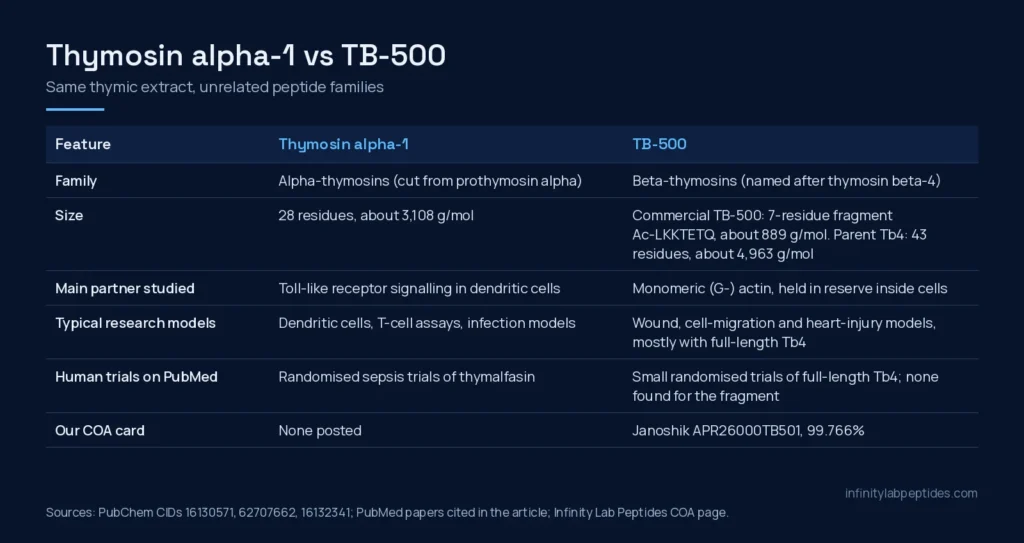
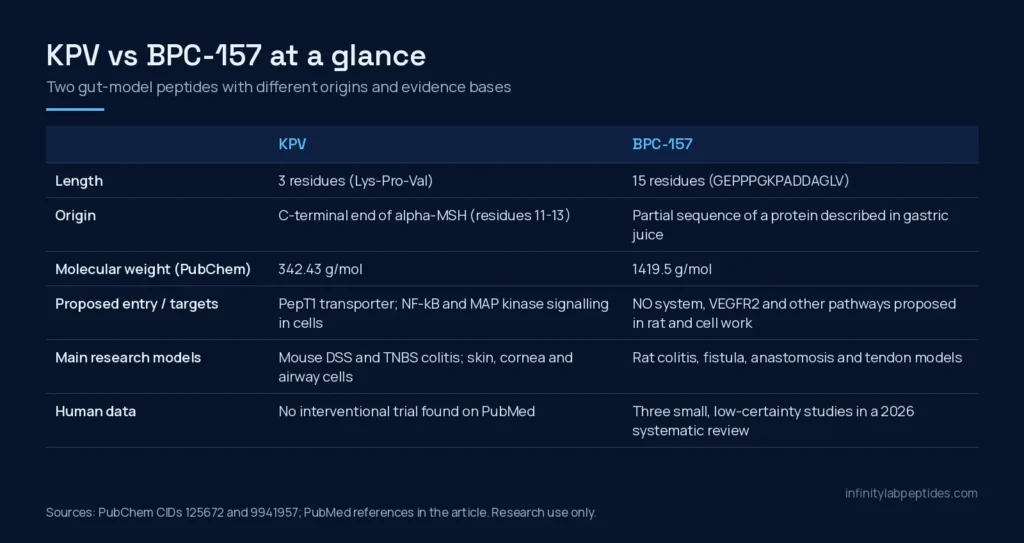
Most synthetic research peptides — including compounds like BPC-157, TB-500, Retatrutide, and Semaglutide — are not approved drugs in Canada. This means they do not have a Drug Identification Number (DIN) or a Notice of Compliance (NOC) from Health Canada.
What This Classification Means in Practice
- These peptides cannot legally be sold, labeled, or advertised for therapeutic purposes — including weight loss, muscle building, injury recovery, or disease treatment
- Selling a non-approved substance as a drug or health product is a violation of the Food and Drugs Act and can result in Health Canada enforcement action, including recalls and import bans
- Purchasing, possessing, and using unapproved peptides for legitimate scientific research purposes is a different matter and is generally permitted under research use provisions
3. The Research Exemption: What It Means for You
Canada recognizes the legitimate need for researchers and scientists to access reference compounds for in-vitro studies, biochemical research, and related scientific work. Peptides sold clearly as “research use only” — without therapeutic claims — exist in a legal grey area that is generally tolerated for scientific procurement.
How Researchers Stay Compliant
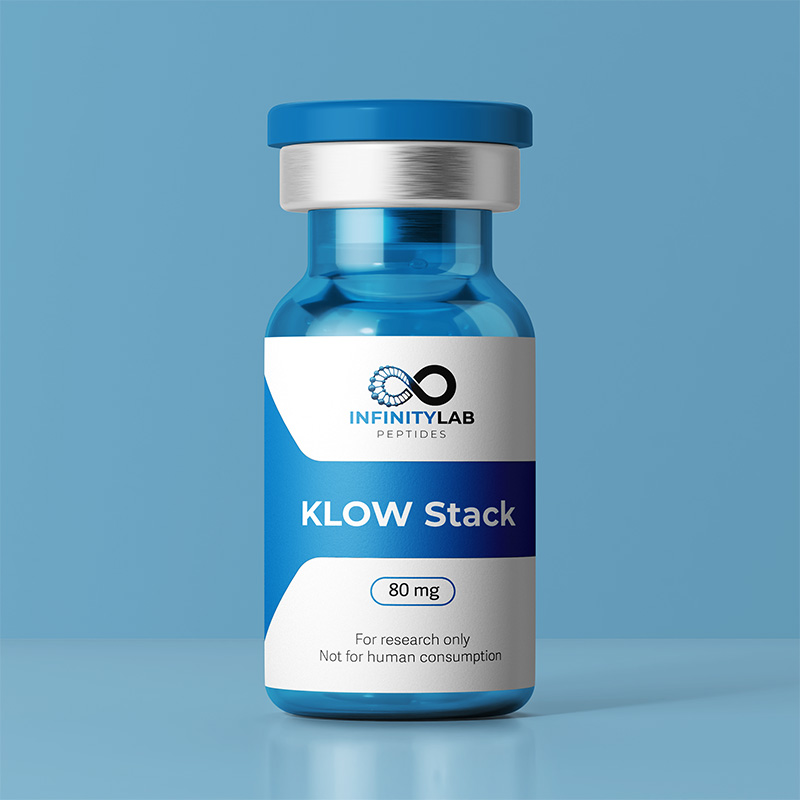
- Purchase only from suppliers who explicitly label products as “for research use only” and make no claims about human health benefits
- Maintain documentation of your research purpose, institutional affiliation (if applicable), and the specific compounds you’re working with
- Do not purchase from suppliers who market peptides with explicit health claims, before-and-after photos, or dosing guides — these sellers are not compliant and create legal risk for buyers as well
- Review Health Canada’s recall database periodically — some peptide suppliers have had products seized or recalled due to non-compliant labeling or contamination
4. Which Peptides Have Specific Restrictions in Canada?
While most research peptides fall under the general “non-approved drug” category, a small number have additional restrictions.
Peptides With Elevated Regulatory Attention in Canada
- Semaglutide and tirzepatide: These compounds are approved drugs in Canada (Ozempic, Wegovy, Mounjaro) and are therefore tightly controlled through the pharmaceutical supply chain. Research versions exist but exist in a more scrutinized category
- Human Growth Hormone (HGH) fragments: Some HGH-related peptides overlap with controlled substance schedules and warrant additional due diligence
- GHRP and GHRH peptides: Growth hormone secretagogues are monitored by anti-doping agencies (WADA) and have received regulatory attention, though they are not scheduled substances in Canada for research purposes
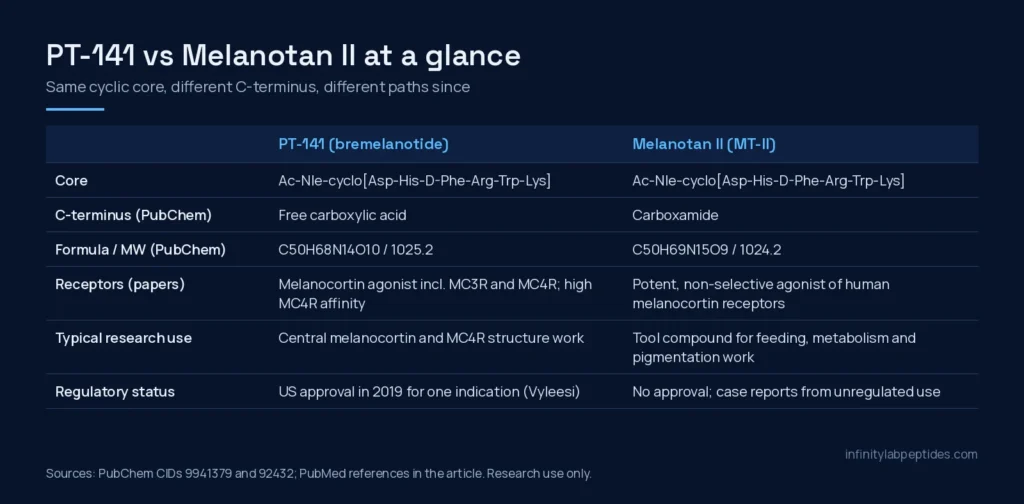
- Melanotan variants: Health Canada has issued specific advisories about certain tanning peptides — check for active advisories before sourcing
5. Red Flags That Signal a Non-Compliant Canadian Peptide Supplier
How to Avoid Them
- Health claims in product descriptions: Any supplier claiming their peptides treat, cure, or prevent any condition is violating Health Canada regulations
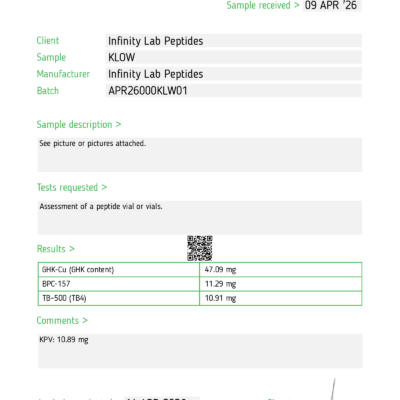
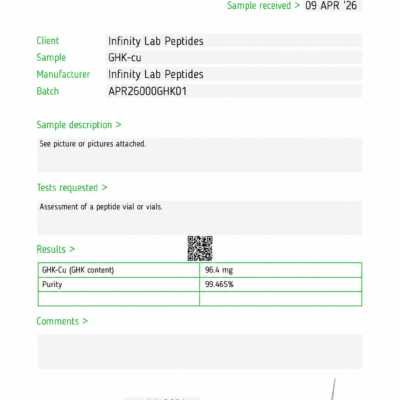
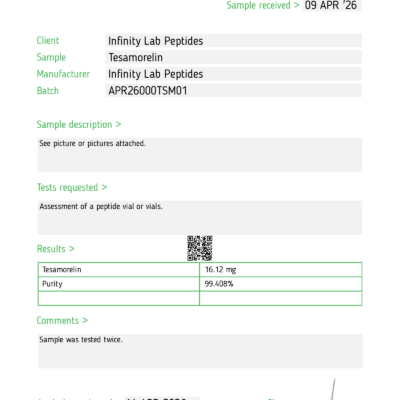
- No COA or third-party testing: A legitimate research supplier should provide batch-specific purity documentation without hesitation
- No “research use only” labeling: Absence of this label is a compliance red flag, not a minor oversight
- Products listed on Health Canada’s recall database: Check the recall list at canada.ca before ordering from any unfamiliar supplier
- Anonymous ordering with no supplier identity: Legitimate Canadian businesses are registered and identifiable
6. The Bottom Line on Peptide Legality in Canada (2025)
So — are peptides legal in Canada? For research purposes, yes. For human therapeutic use without a valid prescription and approved drug status, generally no. The distinction matters. Compliant researchers who source from verified domestic suppliers and maintain proper documentation are on solid legal ground. The risk lies in purchasing from non-compliant suppliers who blur the line between research chemicals and unapproved health products.
Canada’s regulatory environment is more attentive to peptide market activity than it was five years ago — which makes working with a domestically registered, COA-backed supplier more important than ever.
Source Your Research Peptides From a Compliant Canadian Supplier
Infinity Lab Peptides is a Canadian research peptide supplier committed to full compliance with Health Canada’s guidelines. Every product is labeled for research use only, backed by third-party purity testing, and sold without therapeutic claims of any kind.
Browse our research peptide catalog →
Have compliance questions or want to review our COA documentation before ordering? Reach out to our team — we’re transparent about every product we carry.
Frequently Asked Questions About Peptide Legality in Canada
Can you legally buy peptides in Canada without a prescription? For research purposes, yes. Non-approved synthetic peptides sold with “research use only” labeling and without therapeutic claims may be purchased by researchers. Approved pharmaceutical peptides (like semaglutide) require a prescription.
Are BPC-157 and TB-500 legal in Canada? Neither BPC-157 nor TB-500 is an approved drug in Canada. They exist in the research chemical category and may be sourced for laboratory research purposes from compliant suppliers.
Does Health Canada enforce against peptide buyers or just sellers? Health Canada enforcement actions are primarily directed at sellers who make non-compliant health claims or sell unapproved substances as drugs. Researchers purchasing for legitimate scientific use are not the primary target of enforcement.
How do I check if a Canadian peptide supplier is compliant? Review their product labeling (must say “research use only”), ask for batch-specific COAs, check Health Canada’s recall database at canada.ca, and verify the company has a legitimate Canadian business presence.