
Introduction
In peptide research, purity is one of the most critical factors affecting experimental outcomes.
When scientists conduct laboratory experiments, even small impurities can influence results and reduce the reliability of data.
For this reason, peptide purity standards are extremely important.
What Is Peptide Purity?
Peptide purity refers to the percentage of the peptide sample that contains the correct molecular structure.
For example, a peptide with 99% purity means that 99% of the sample contains the intended peptide sequence.
The remaining percentage may include small byproducts from the synthesis process.
Why Purity Affects Research Results
In laboratory experiments, impurities can interfere with biological interactions.
This may lead to:
- Inconsistent experimental outcomes
- Altered molecular responses
- Reduced reproducibility
- Inaccurate data interpretation
High purity ensures that scientists are studying the intended peptide structure.
How Purity Is Tested
Researchers rely on analytical testing methods to confirm peptide purity.
Two common methods include:
High Performance Liquid Chromatography (HPLC)
Used to separate and measure peptide components.
Mass Spectrometry (MS)
Used to confirm molecular identity and structure.
These techniques help validate the quality of peptide samples.
The Role of Quality Control
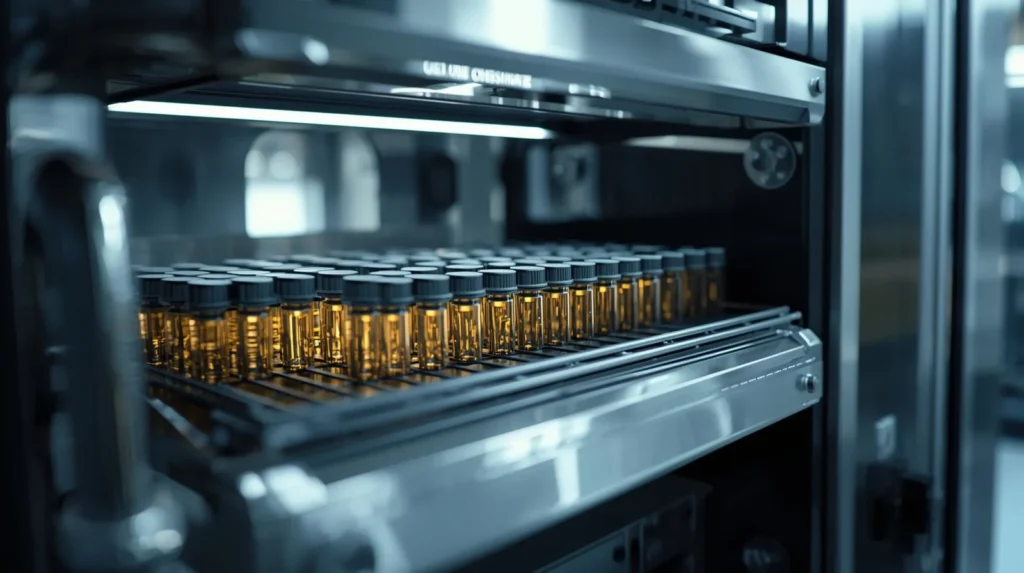
Reliable peptide suppliers perform strict quality control procedures before releasing products for research use.
These procedures may include:
- Purity verification
- Sequence validation
- Contamination testing
- Stability evaluation
Quality control ensures consistency across peptide batches.
Certificates of Analysis
Most reputable peptide suppliers provide a Certificate of Analysis (COA) with each peptide.
The COA typically includes:
- Purity percentage
- Analytical testing results
- Batch information
- Storage recommendations
Researchers rely on this documentation to confirm the integrity of their materials.
Final Thoughts
Peptide purity plays a vital role in scientific research.
High purity levels ensure that experiments remain reliable, reproducible, and scientifically meaningful.
For laboratories conducting peptide research, selecting high-quality materials is essential.