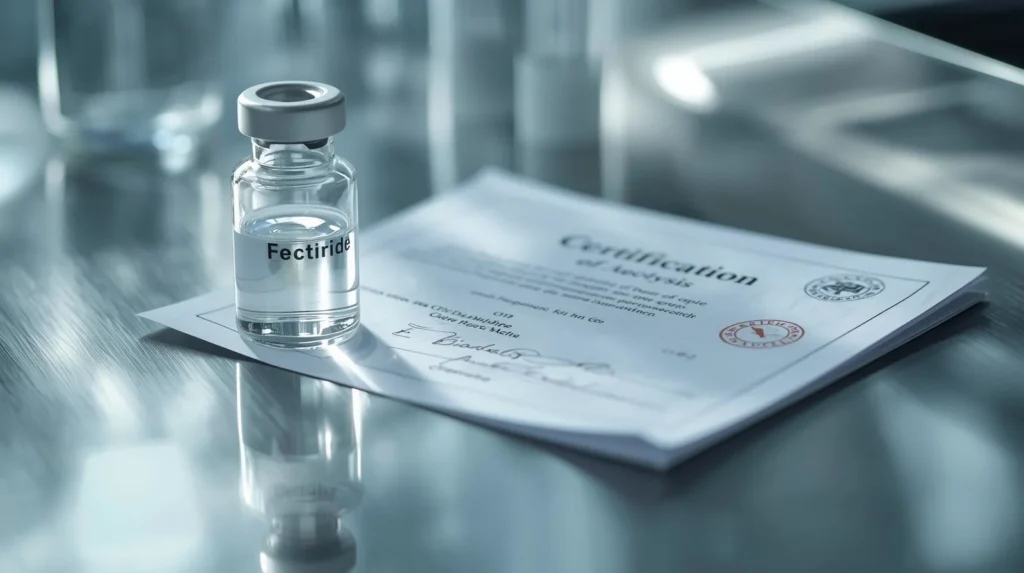
Introduction
Maintaining the stability of research peptides is essential for accurate laboratory studies.
Improper storage conditions can cause peptide degradation, which may affect experimental results.
For this reason, laboratories follow strict handling and storage procedures when working with peptides.
Temperature Control
Many peptides require low temperature storage to maintain stability.
Common storage conditions include:
- Refrigerated storage
- Freezer storage
- Controlled temperature laboratory environments
Temperature control helps slow down molecular degradation.
Protection from Light
Some peptides may be sensitive to light exposure.
To prevent degradation, laboratories often store peptides in:
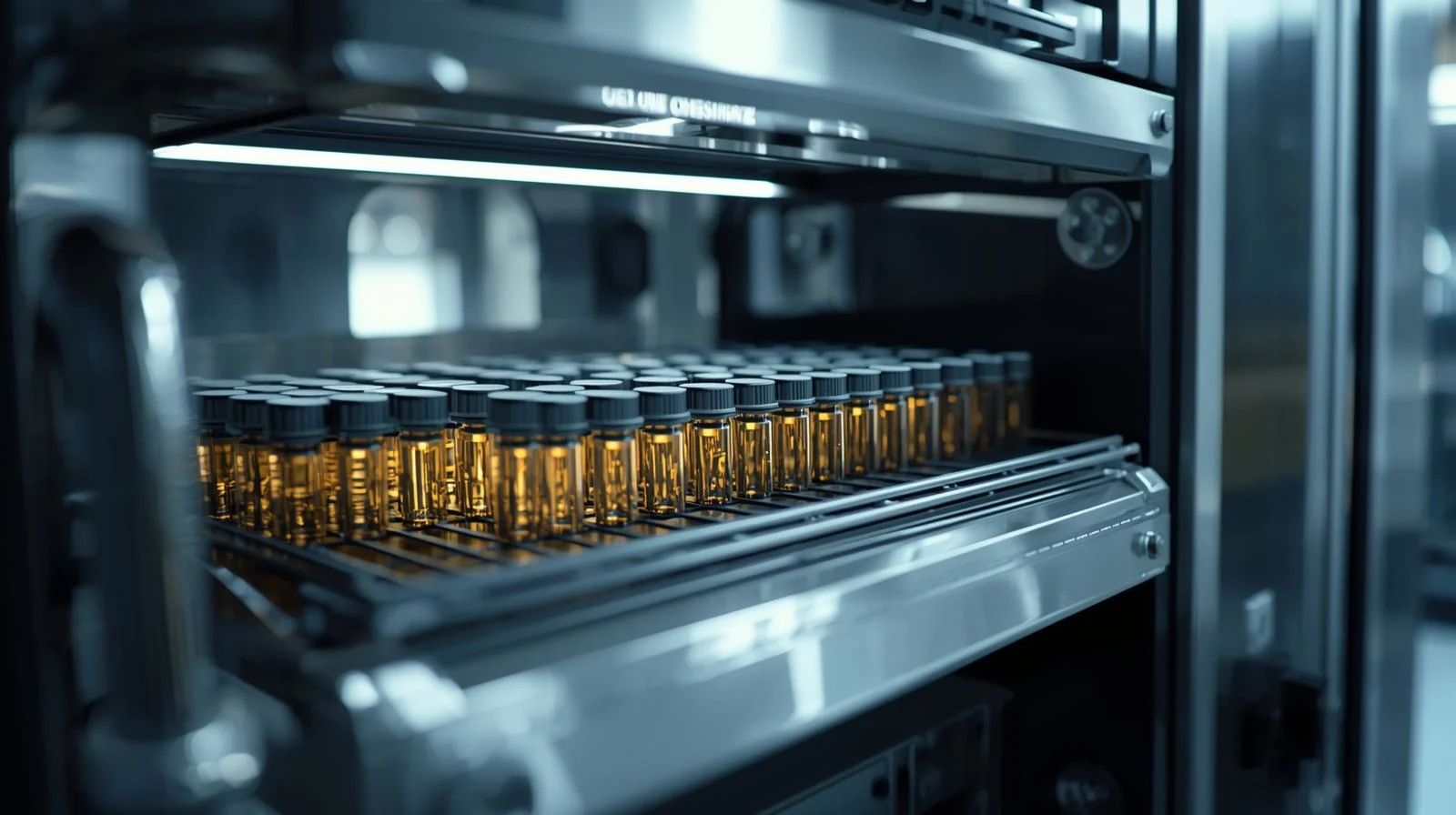
- Dark glass vials
- Light-protected containers
- Controlled laboratory cabinets
This helps preserve peptide integrity.
Avoiding Contamination
Sterile laboratory procedures are essential when working with peptides.
Researchers typically follow practices such as:
- Using sterile syringes
- Wearing laboratory gloves
- Working under sterile conditions
- Avoiding repeated vial exposure
These steps help maintain sample purity.
Reconstitution Best Practices
When peptides are reconstituted, they should be prepared carefully to maintain stability.
Researchers typically:
- Use sterile solvents
- Measure precise volumes
- Avoid repeated freeze-thaw cycles
- Store reconstituted peptides properly
These procedures ensure experimental consistency.
Long-Term Storage
For longer storage periods, peptides are often kept in lyophilized form.
Freeze-dried peptides remain stable for extended periods when stored under proper conditions.
Proper labeling and documentation also help researchers manage peptide inventory effectively.
Conclusion
Handling peptides correctly is essential for maintaining research accuracy.
By following proper storage and laboratory procedures, scientists can ensure that their peptide samples remain stable and reliable for experimental studies.